


In an industry where the guest experience dictates everything, every moment becomes an opportunity to leave an impression. Packaging is often the first or last thing guests take with them – whether it’s a carefully arranged breakfast to go, a lovingly packaged souvenir, or a delicious dinner in a take-away box. How can you make packaging more than just a shell? The answer: through personalization.
In the hospitality and food industry, a customized packaging design can do much more than just ensure safe transportation of food. It conveys the brand message, evokes emotions, and leaves a lasting impression.
The Power of the Brand: Packaging as Visual Ambassadors
Personalized packaging is a powerful tool to convey a company’s identity. It not only reflects the company’s style and values but also tells a story.
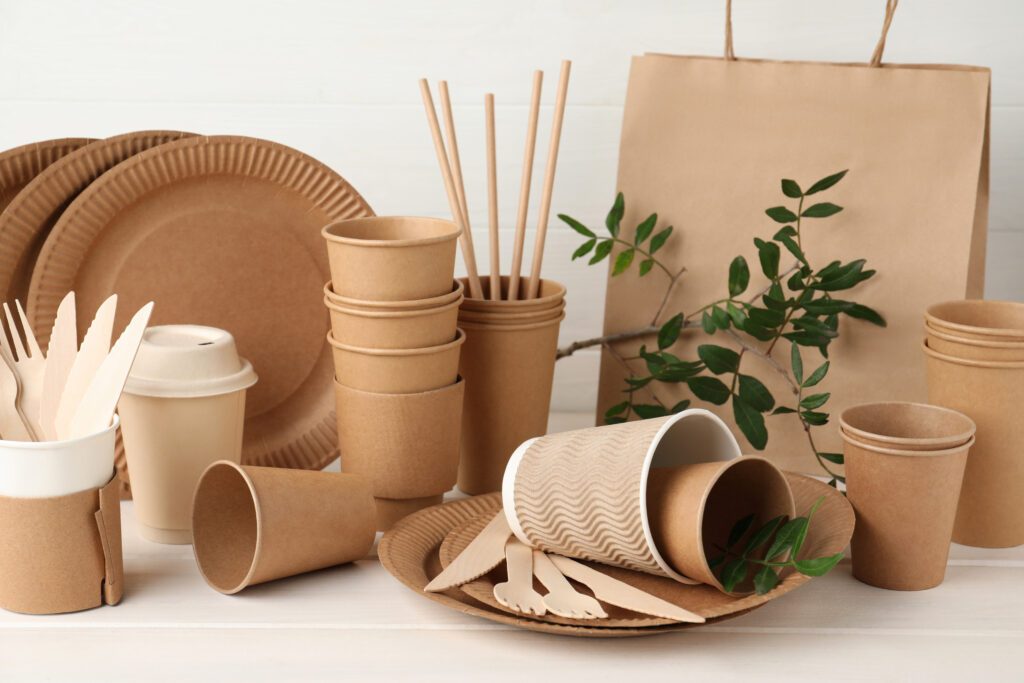
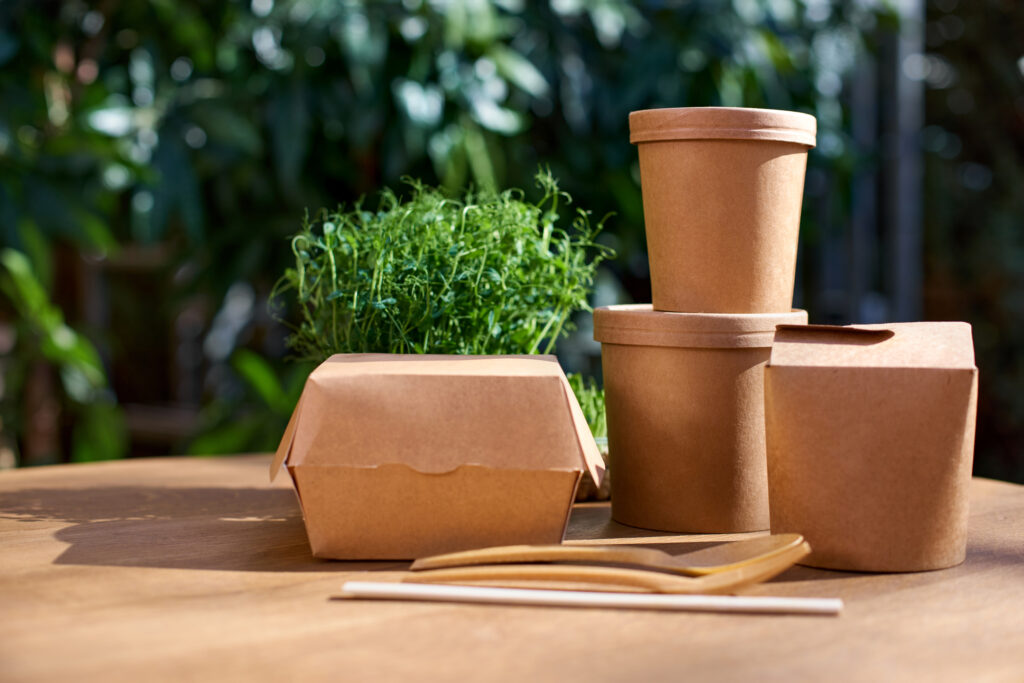
A packaging featuring the company logo, in line with the corporate design, can subtly yet powerfully bring the brand to life. Colors, shapes, and materials help convey the message. For instance, a restaurant with a focus on sustainability could use packaging made from recycled materials and combine it with its own branding to underline its commitment to the environment.
Moreover, personalized packaging offers the opportunity to make the brand known beyond the restaurant or hotel. Guests carrying their orders around the city become walking advertisements, reaching other potential customers.
Evoking Emotions: Packaging that Tells Stories
People feel particularly drawn to things that emotionally touch them. Personalized packaging can achieve just that. They are not only functional but also help create a deeper connection between the brand and the guest.
Imagine a guest opening a breakfast box with their name or a personal message on it: “Good morning, Mr. Müller! We wish you a delightful start to your day.” Such small details make a big difference and make guests feel appreciated.
Another example would be thank-you messages printed on a take-away packaging or inside the lid. “Thank you for ordering with us. We look forward to your next visit!” These messages create a personal touch that fosters customer loyalty.
Practical Application: Opportunities for Customization
Personalization can be implemented in many ways:
- Custom Designs: Each package becomes eye-catching when designed uniquely. Patterns, colors, or illustrations that align with the brand identity make it stand out from the crowd.
- Name Personalization: Modern printing technology allows packaging to be printed with guests’ names – ideal for special occasions or exclusive events.
- Handwritten Elements: A personal touch, like handwritten greeting cards or signatures on packaging, adds extra appreciation.
- Limited Editions: Packaging specially designed for holidays or special promotions creates a sense of exclusivity.
Success Story: The Magic of Individuality
The impact of personalized packaging is particularly evident in practice. A fine dining restaurant using customized packaging for its gourmet deliveries not only increased customer satisfaction but also significantly boosted its reorder rate.
The restaurant introduces each packaging with a specific design that is seasonally adapted, along with a small personal message. The results speak for themselves: a 30% increase in customer retention and overwhelming feedback from guests who appreciate the extra effort. “The packaging was so beautiful, I kept it!” – such reactions show how emotionally touched guests can be.
Conclusion: Small Details, Big Impact
In the hospitality and food industry, every detail counts. Personalized packaging goes beyond mere functionality and becomes an essential part of the guest experience. It offers an opportunity to strengthen the brand, evoke emotions, and leave a lasting impression on guests. Businesses that embrace this trend not only stand out from the competition but also build a deeper connection with their customers.
Whether it’s a simple breakfast box or an elaborately designed gift package – the possibilities are virtually endless. What remains is the realization: packaging can be much more than just a shell. It’s an invitation, a story, a memory – and most importantly, a message that resonates long after.