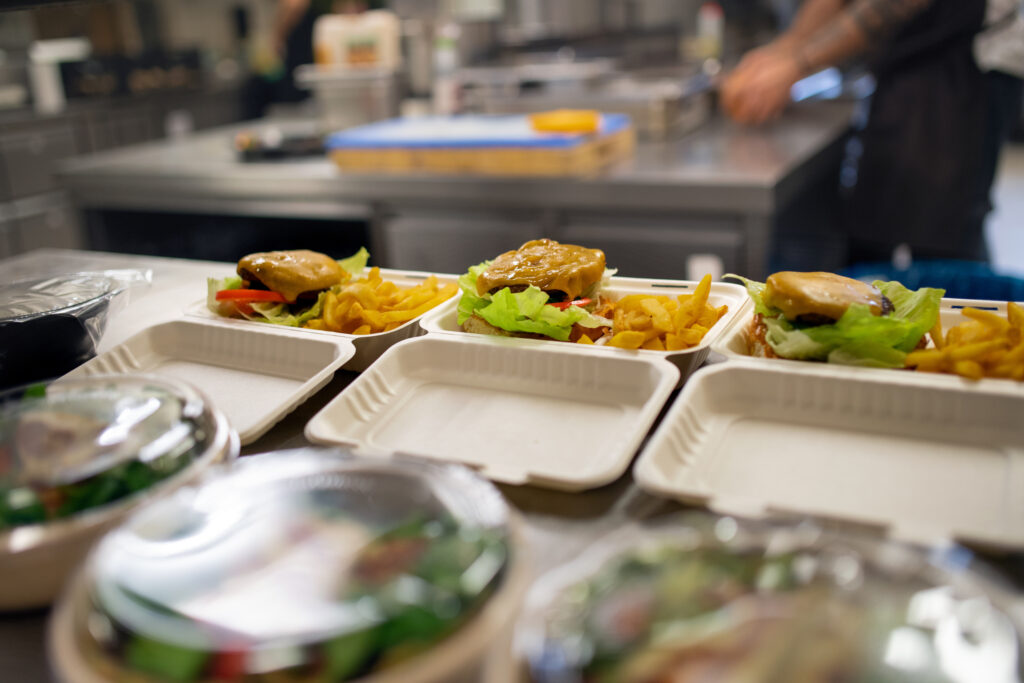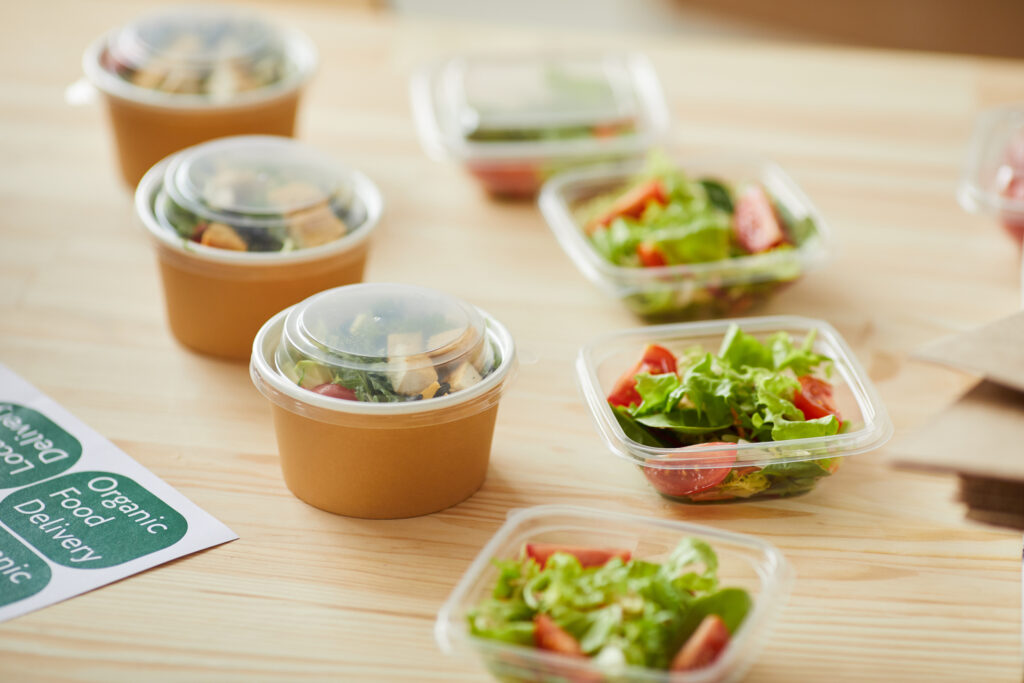


Food waste is one of the major challenges of our time. It has far-reaching consequences for the environment, the economy, and society. In the gastronomy and hospitality industries, the problem is particularly present: many businesses face significant losses because food is not processed or consumed in time. Efficient packaging solutions can be crucial in keeping food fresh longer, minimizing waste, and reducing economic losses. But how can packaging specifically contribute to this?
Food Waste: A Global and Local Problem
Around one-third of all food produced worldwide is wasted each year. This amounts to about 1.3 billion tons – a shocking figure that strains the environment and proves costly for businesses. In particular, the gastronomy and hospitality industries, where freshness and quality are top priorities, often experience overproduction or spoilage due to improper storage.
The reasons for this waste are varied: inadequate packaging solutions, short shelf lives, and lack of concepts for optimal storage. This is where our expertise comes in to create sustainable and efficient solutions.
The Challenge of Shelf Life: Innovating Against Spoilage
Food spoils when exposed to moisture, air, or light – factors that can be specifically controlled through innovative packaging technologies. Our packaging solutions are designed to minimize these external influences and extend the shelf life of food.
How does this work?
- Barrier materials: Our packaging uses special films and coatings that keep out oxygen and moisture. This keeps sensitive foods like salads, fresh fruits, or baked goods fresh longer.
- Temperature control: Packaging with integrated insulation or cooling functions ensures that products maintain their optimal temperature during transport.
- Portioning solutions: By offering individualized packaging sizes, we prevent large amounts of food from being opened and subsequently thrown away.
A real-world example: A restaurant that switched to our vacuum-sealed storage solutions was able to extend the shelf life of its fresh ingredients like meat and fish by up to 50%. This not only reduced waste but also resulted in noticeable cost savings.
Saving Costs, Conserving Resources: Sustainability in the Gastronomy Industry
Food waste not only has ethical but also economic consequences. Wastes mean that restaurants, hotels, and catering services lose ingredients, and they also waste labor, energy, and money. Efficient packaging solutions help minimize these losses and make the operation more sustainable.
Double Benefits:
- Less waste: With packaging that extends shelf life, less food ends up in the trash. This saves costs and protects the environment.
- Sustainable materials: Our packaging is not only efficient but also environmentally friendly. We rely on recyclable and biodegradable materials to reduce the ecological footprint.
In the hospitality industry, where buffets and extensive menus often lead to overproduction, switching to sustainable packaging solutions is a crucial step. Guests appreciate the commitment to the environment, and businesses benefit from a positive image.
Success Story: A Hotel Implements Sustainable Packaging Systems
The effectiveness of efficient packaging solutions is demonstrated by an example from a hotel that introduced our system. The hotel faced the challenge of reducing large amounts of food waste at its buffets and in the kitchen. By implementing our innovative packaging solutions, the following successes were achieved:
- 40% less food waste: Food that would have been discarded could be kept fresh longer with vacuum-sealed storage and used later.
- 20% cost savings: Less waste meant lower purchasing needs and direct savings.
- Positive feedback from guests: The packaging used for room service was perceived by guests as high-quality, hygienic, and environmentally friendly.
Staff also reported that the new packaging made organization and storage in the kitchen easier since ingredients were more visible and longer-lasting. Overall, the transition led to improved efficiency and heightened environmental awareness throughout the operation.
Conclusion: Efficiency Meets Sustainability
Food waste is one of the major challenges in gastronomy and hospitality – but with the right packaging solutions, much can be achieved. Our innovative systems extend the shelf life of food, reduce waste, and help businesses save costs. At the same time, they contribute to minimizing the ecological footprint and creating a positive image with guests.
Investing in efficient packaging solutions pays off in two ways: economically and ecologically. With every food item saved, not only is money saved, but a contribution to a more sustainable future is also made.